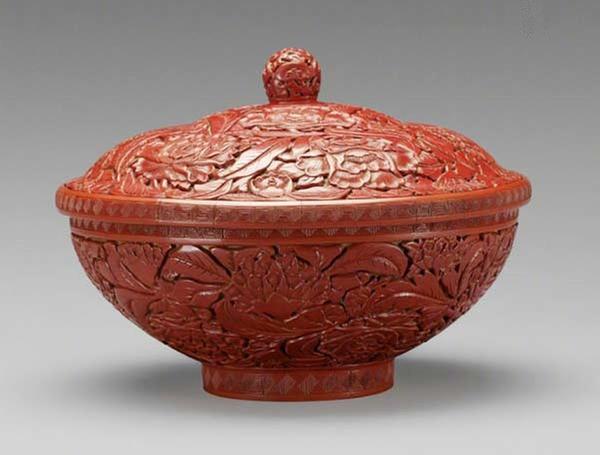
Yongle Period of the Ming Dynasty
Introduction
The Yongle Period of the Ming Dynasty, which lasted from 1403 to 1424, is one of the most celebrated eras in Chinese history. Marked by significant achievements in politics, economics, culture, and foreign relations, this period was a golden age for China. The third emperor of the Ming Dynasty, Yongle Emperor Zhu Di, was a visionary leader who sought to consolidate his power, expand China's influence, and promote cultural flourishing.
Political Achievements
The Yongle Emperor is renowned for moving the capital of China from Nanjing to Beijing, where he constructed the Forbidden City, a monumental architectural feat. The Forbidden City served as the imperial palace for the Ming and Qing dynasties and symbolized the emperor's authority. Additionally, the Yongle Emperor instituted a series of administrative reforms to strengthen central governance and solidify his rule over China.
Economic and Cultural Developments
Economically, the Yongle Period saw the expansion of China's influence through maritime trade and the opening of new trade routes, particularly during the famous voyages of Admiral Zheng He. These expeditions enhanced China's trade relations with Southeast Asia, India, and Africa, bringing wealth and knowledge to the empire.
Culturally, the Yongle Period was marked by significant advancements in arts and literature. The Yongle Dadian, an encyclopedic compilation of Chinese knowledge, was one of the greatest literary projects of the time. The period also witnessed the flourishing of traditional Chinese crafts, such as porcelain and silk production, which were highly prized commodities in international trade.
Yongle Emperor and Religion
Religion played an integral role during the Yongle Period. The Yongle Emperor was a patron of Buddhism and sought to promote its teachings throughout his empire. He ordered the construction of several grand Buddhist temples and sought to spread Buddhism to neighboring countries. This religious patronage helped to increase cultural exchange between China and other parts of Asia.
Legacy of the Yongle Period
The legacy of the Yongle Period is seen in its lasting cultural, political, and architectural contributions. The Forbidden City remains a symbol of China's imperial past, and the expansion of maritime trade routes laid the groundwork for future economic prosperity. The emphasis on compiling and preserving knowledge during the Yongle era is also reflected in the continued reverence for Chinese literature and arts.
Artifacts from the Yongle Period
Artifacts from the Yongle Period continue to be cherished for their historical and artistic value. The Palace Museum in Beijing, for instance, holds a collection of items from this period, including the carved lacquerware tureen decorated with flower patterns. These artifacts not only exemplify the exquisite craftsmanship of the period but also provide insights into the daily life and culture of Ming China.








